


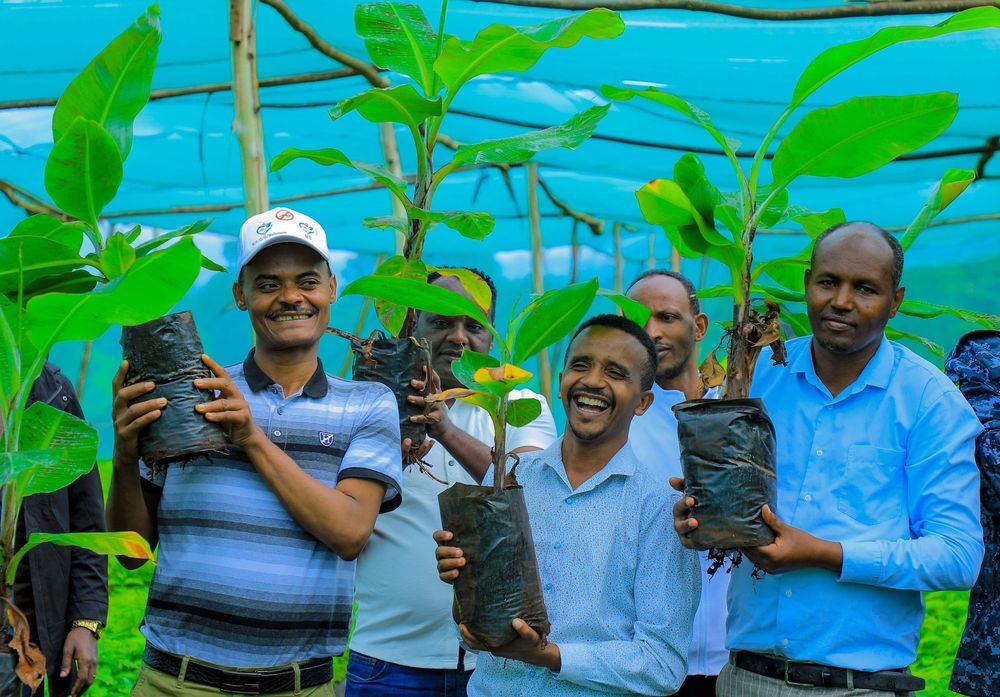
Soressa Shuma(PhD); Director for Integrated Agricultural Research Center at DaDU
Background Information
The Integrated Agricultural Research Center (IARC) of Dambi Dollo University (DaDU) is one of the University's flagship research centers operating under the Office of the Vice President for Academic, Research, Technology Transfer, and Community Services. Established to address the agricultural challenges of western Ethiopia and beyond, the Center serves as a multidisciplinary platform dedicated to generating innovative agricultural technologies, promoting sustainable farming systems, strengthening food security, and improving the livelihoods of farming communities. The Center integrates scientific research, technology development, technology validation, demonstration, training, and community engagement, thereby bridging the gap between academic research and practical agricultural development.
Located within the University's research farm, the Integrated Agricultural Research Center provides researchers, academic staff, students, development partners, government institutions, and surrounding communities with a conducive environment for conducting applied research, validating agricultural technologies, and disseminating improved farming practices. Equipped with modern research facilities and demonstration sites, the Center supports experiential learning while serving as a hub for innovation, collaboration, and sustainable agricultural transformation. Through its multidisciplinary approach, the Center plays a significant role in addressing regional and national agricultural priorities and contributes to Ethiopia's broader agricultural development agenda.
Vision
The Center aspires to lead in generating impactful agricultural technologies and knowledge that contribute to improved productivity, environmental sustainability, food security, and economic development.
Mission
The mission of the Center is to conduct demand-driven, problem-solving, and multidisciplinary agricultural research that responds to the needs of farmers and society. It is committed to developing innovative technologies that enhance crop and livestock productivity, promoting climate-smart and environmentally sustainable agricultural practices, strengthening food security and nutrition, facilitating the commercialization of research outputs, and building research capacity among academic staff, students, and agricultural professionals. The Center also promotes practical education, technology transfer, and community outreach while fostering strong partnerships with governmental institutions, research organizations, development partners, non-governmental organizations, and the private sector. These commitments align with Dambi Dollo University's broader mandate of promoting quality research, innovation, technology transfer, and community engagement.
Objectives
The Integrated Agricultural Research Center is established to improve agricultural productivity through innovative and adaptive research that addresses local and national development challenges. Its major objectives include improving crop and livestock productivity, developing climate-resilient agricultural technologies, promoting integrated farming systems, enhancing sustainable natural resource management, strengthening agricultural value chains, supporting food processing and post-harvest technologies, conducting adaptive and applied research, facilitating technology transfer and commercialization, strengthening collaboration between farmers and the University, and producing competent graduates through practical research and field-based learning.
Core Research Areas
The Center conducts multidisciplinary research covering several strategic areas of agriculture. Crop research focuses on cereals, pulses, oil crops, root and tuber crops, horticultural crops, vegetables, fruits, improved seed production, crop protection, soil fertility management, and precision agriculture. These research activities aim to increase agricultural productivity while developing technologies that are suitable for the diverse agroecological conditions of western Ethiopia.
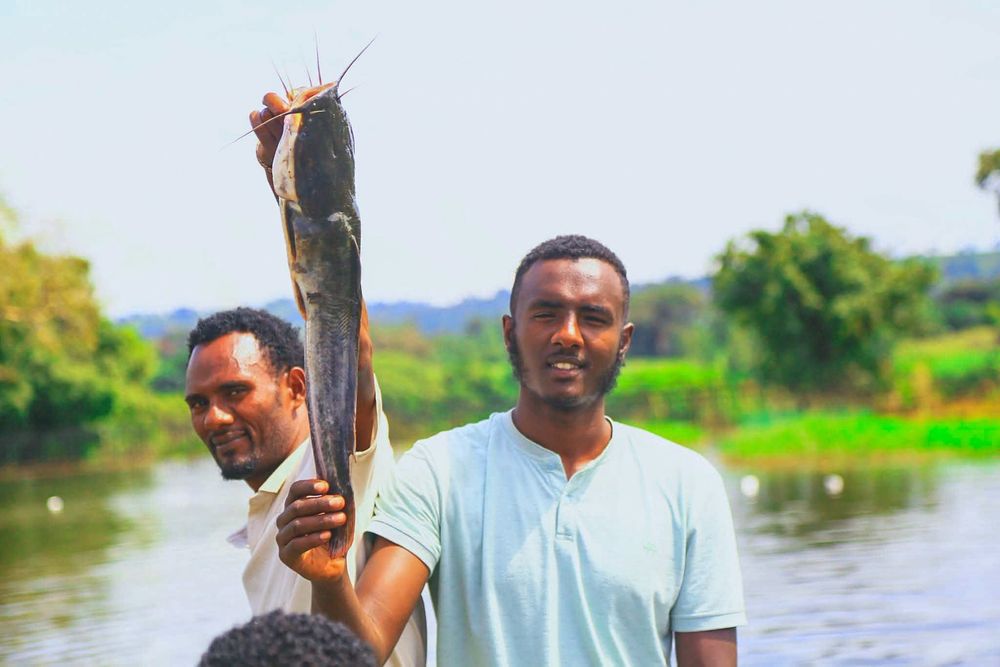
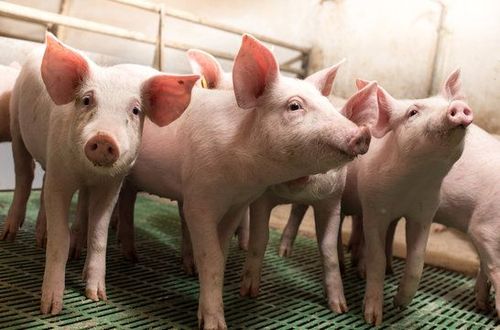
Animal research constitutes another major pillar of the Center's activities. Research is undertaken in dairy production, beef cattle improvement, sheep and goat production, poultry production, pig production, aquaculture, apiculture, animal nutrition, animal breeding, and veterinary health management. Through integrated livestock production systems, the Center contributes to improving animal productivity, enhancing food security, and increasing farmers' incomes.
The Center also undertakes extensive research in natural resource management with particular emphasis on soil and water conservation, watershed management, agroforestry, forest conservation, biodiversity protection, land rehabilitation, water harvesting, and climate change adaptation. These activities promote sustainable utilization of natural resources while enhancing environmental resilience.
Research in agricultural engineering focuses on farm mechanization, small-scale irrigation technologies, renewable energy applications, agricultural machinery development, and smart farming technologies that improve production efficiency and reduce labor requirements. Meanwhile, agricultural biotechnology research explores tissue culture, plant breeding, biofertilizers, organic agriculture, molecular diagnostics, and other emerging technologies that enhance agricultural productivity and sustainability.
In addition, the Center conducts research on agribusiness and agricultural value chains by focusing on agricultural marketing, value addition, agribusiness development, entrepreneurship, cooperative management, and supply chain management. These efforts support commercialization, improve market access, and strengthen the competitiveness of agricultural products.
Integrated Farming System
One of the distinctive features of the Integrated Agricultural Research Center is its integrated farming system, where different agricultural enterprises operate in a complementary and mutually beneficial manner. Crop production, livestock farming, fish production, poultry production, and organic waste management are carefully linked to maximize resource utilization and environmental sustainability. For example, dairy and livestock manure is converted into organic fertilizer for crop production, crop residues are utilized as livestock feed, poultry manure enriches vegetable production, fish ponds recycle nutrients within the farming system, while composting and vermicomposting improve soil fertility. Integrated pest management practices further reduce dependence on chemical pesticides, creating environmentally friendly production systems that increase productivity, reduce production costs, and enhance farm profitability.
Research Facilities
The Center possesses a wide range of research facilities that support scientific investigation, technology development, practical training, and demonstration. These include experimental crop fields, improved seed multiplication plots, dairy farms, poultry production units, piggery facilities, fish ponds, demonstration farms, irrigation systems, greenhouses, composting and vermicomposting units, research laboratories, training halls, and agricultural machinery. These facilities provide an excellent platform for conducting multidisciplinary research, validating technologies, and delivering hands-on training for students, researchers, extension workers, and farming communities.
Technology Demonstration and Transfer
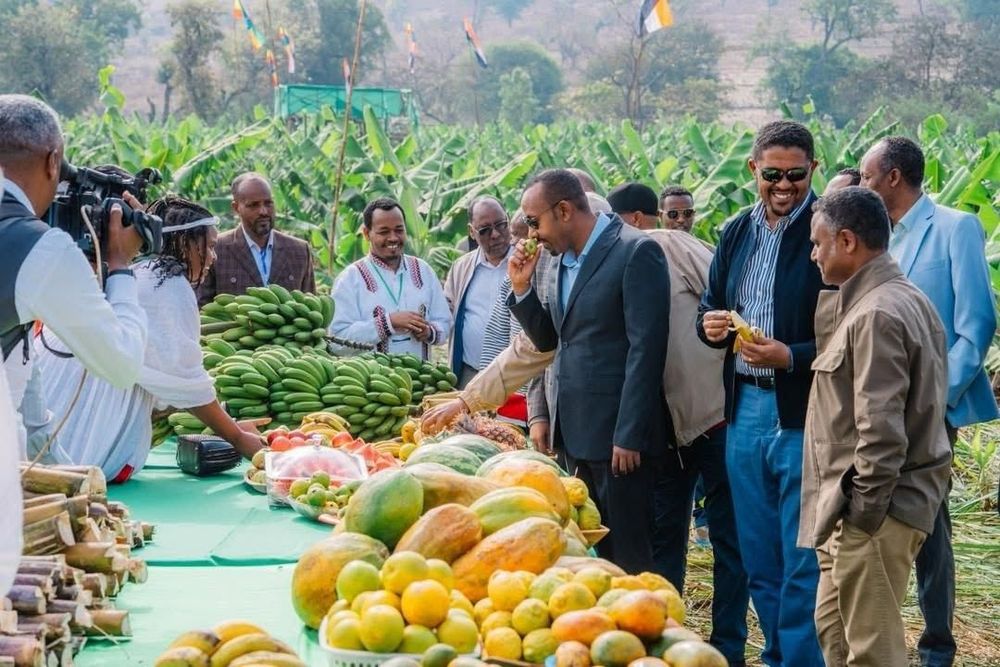
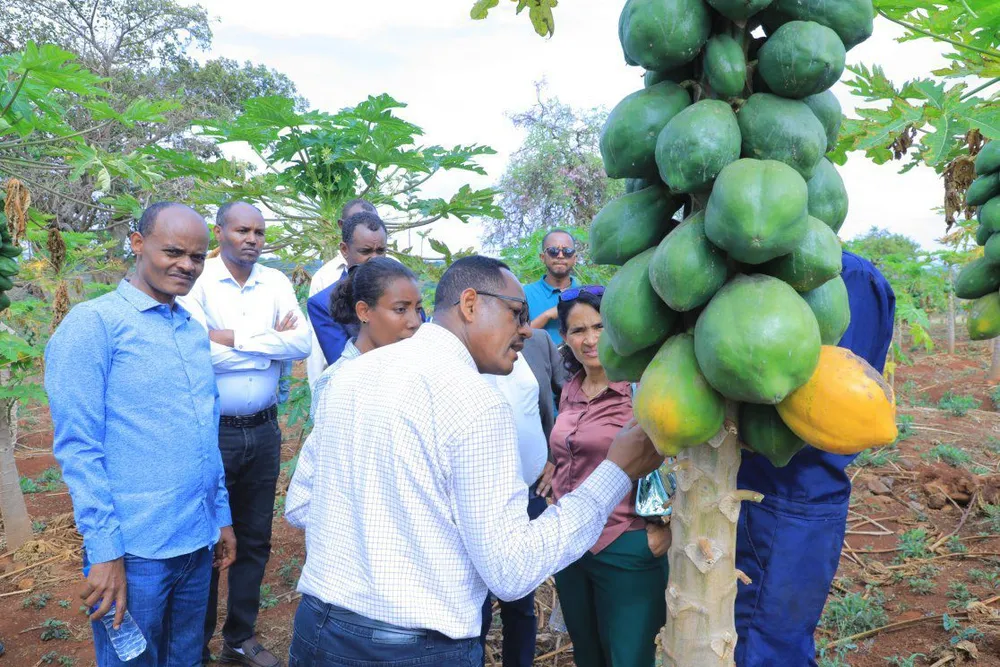
Technology demonstration and dissemination are among the Center's core mandates. The Center regularly demonstrates improved crop varieties, improved livestock breeds, climate-smart agricultural technologies, modern irrigation systems, integrated pest management practices, conservation agriculture, greenhouse production technologies, compost production techniques, and vermicomposting systems. These demonstrations facilitate the adoption of improved agricultural technologies by farmers, development practitioners, and other stakeholders, thereby accelerating agricultural modernization and increasing productivity across the region.
Community Services
Community engagement remains one of the Center's fundamental responsibilities. Through its extension and outreach programs, the Center provides farmer training, technical advisory services, technology dissemination, field demonstrations, agricultural exhibitions, youth entrepreneurship development, women empowerment initiatives, and school outreach programs. These activities strengthen the relationship between the University and surrounding communities while promoting the adoption of improved agricultural technologies that contribute to increased productivity, income generation, food security, and sustainable rural development.
Student Learning Platform
The Integrated Agricultural Research Center serves as an important practical learning environment for undergraduate and postgraduate students across agriculture and related disciplines. Students actively participate in field practical sessions, internships, thesis research, innovation projects, demonstration activities, entrepreneurship development programs, and research methodology training. Through these experiences, students acquire practical skills, research competence, problem-solving abilities, and professional experience that complement classroom instruction and prepare them for successful careers in agriculture, research, and rural development.
Sources of Income Generation
The Integrated Agricultural Research Center (IARC) generates income through diversified agricultural production, research commercialization, consultancy services, professional training, and strategic partnerships to support its research, innovation, and technology transfer activities. Revenue is generated from the sale of improved seeds, livestock, poultry, fish, dairy products, honey, fruits, vegetables, and other agricultural products, as well as through laboratory and diagnostic services, contract research, facility rentals, and the commercialization of research outputs and value-added technologies. Research grants and collaborative projects with government agencies, development partners, research institutions, NGOs, and the private sector further strengthen the Center's financial base. By diversifying its revenue streams and promoting innovation-driven commercialization, the Center contributes significantly to Dambi Dollo University's institutional autonomy, financial sustainability, and long-term vision of becoming a self-reliant, research-led university.
Collaboration and Partnerships
The Center actively collaborates with federal ministries, regional government institutions, agricultural research institutes, universities, development partners, non-governmental organizations, international organizations, private sector stakeholders, and local communities. These partnerships facilitate collaborative research, resource mobilization, capacity building, technology exchange, and implementation of development projects that address regional and national agricultural priorities. Through strong partnerships, the Center continues to expand its research capacity and increase the impact of its innovations on agricultural development.
Major Contributions
Since its establishment, the Integrated Agricultural Research Center has made significant contributions to agricultural development by enhancing food security, improving crop and livestock productivity, promoting sustainable natural resource management, strengthening agricultural value chains, supporting technology commercialization, creating employment opportunities, building research capacity, and contributing to community development and rural transformation. Its research outputs have supported evidence-based agricultural policies, improved farming practices, and enhanced the livelihoods of farming communities throughout western Ethiopia and beyond.
Future Strategic Directions
Looking ahead, the Integrated Agricultural Research Center aims to strengthen its leadership in agricultural innovation by expanding research in digital agriculture, artificial intelligence applications in farming, precision agriculture, climate-smart agriculture, smart irrigation technologies, agricultural robotics, remote sensing, Geographic Information Systems (GIS)-based agriculture, renewable energy applications, sustainable food systems, carbon-smart farming, and circular agricultural economy approaches. By embracing emerging technologies and strengthening national and international partnerships, the Center seeks to become a leading institution in agricultural research, innovation, technology transfer, and sustainable rural transformation, making substantial contributions to Ethiopia's agricultural growth and socio-economic development.